The best digital marketing strategy for your business is not a choice between SEO or Google Ads, but a strategic integration of both. Use Google Ads for immediate traffic and invaluable data on customer intent, then leverage that intelligence to build a long-term, authoritative organic presence that becomes the definitive source for both human users and AI-driven answer engines. This dual approach creates a sustainable competitive advantage that neither channel can achieve alone.
The Strategic Trap: Moving Beyond an Outdated Debate
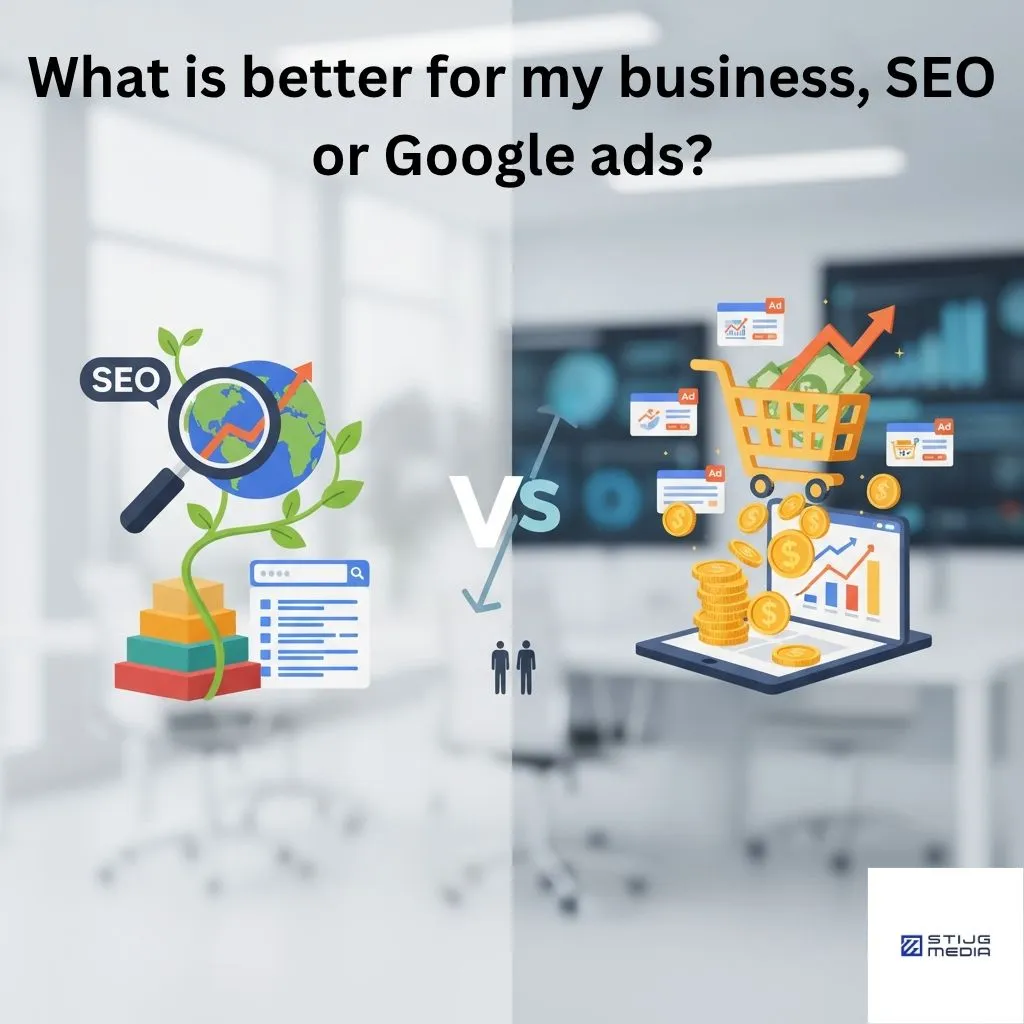
For over two decades, business owners have been asking the same question: “What is better for my business, SEO or Google Ads?” This question is a relic of a simpler time in digital marketing. The discipline of “search engine marketing” itself was only popularized by Danny Sullivan in 2001 to encompass both paid and organic efforts, according to historical accounts. The debate made sense then. You could either invest time and resources in climbing the organic rankings or pay for immediate placement at the top. It was a straightforward choice between short-term cost and long-term investment.
In October 2025, that binary choice is not just outdated; it’s a strategic liability. The landscape has been fractured by the rise of generative AI in search. The goal is no longer just getting to the top of Google organically or with ads. The new imperative is to become the trusted source from which AI constructs its answers. Sticking to the old “SEO vs PPC” framework is like trying to navigate a modern highway with a map from 1997, the same year the phrase ‘search engine optimization’ first came into use, popularized by Bruce Clay. The rules have fundamentally changed, and marketers face an urgent need to evolve their brand positioning strategy or be left behind, a fact highlighted by researchers who note that changes in search engine algorithms constantly affect how brands reach potential internet users .
This article will not rehash the tired pros and cons. Instead, it will provide a new, forward-thinking framework for integrating paid and organic search to dominate in the age of AI. We will explore how to use each tool for its highest and best purpose, creating a powerful synergy that builds both immediate momentum and an enduring, defensible brand asset.
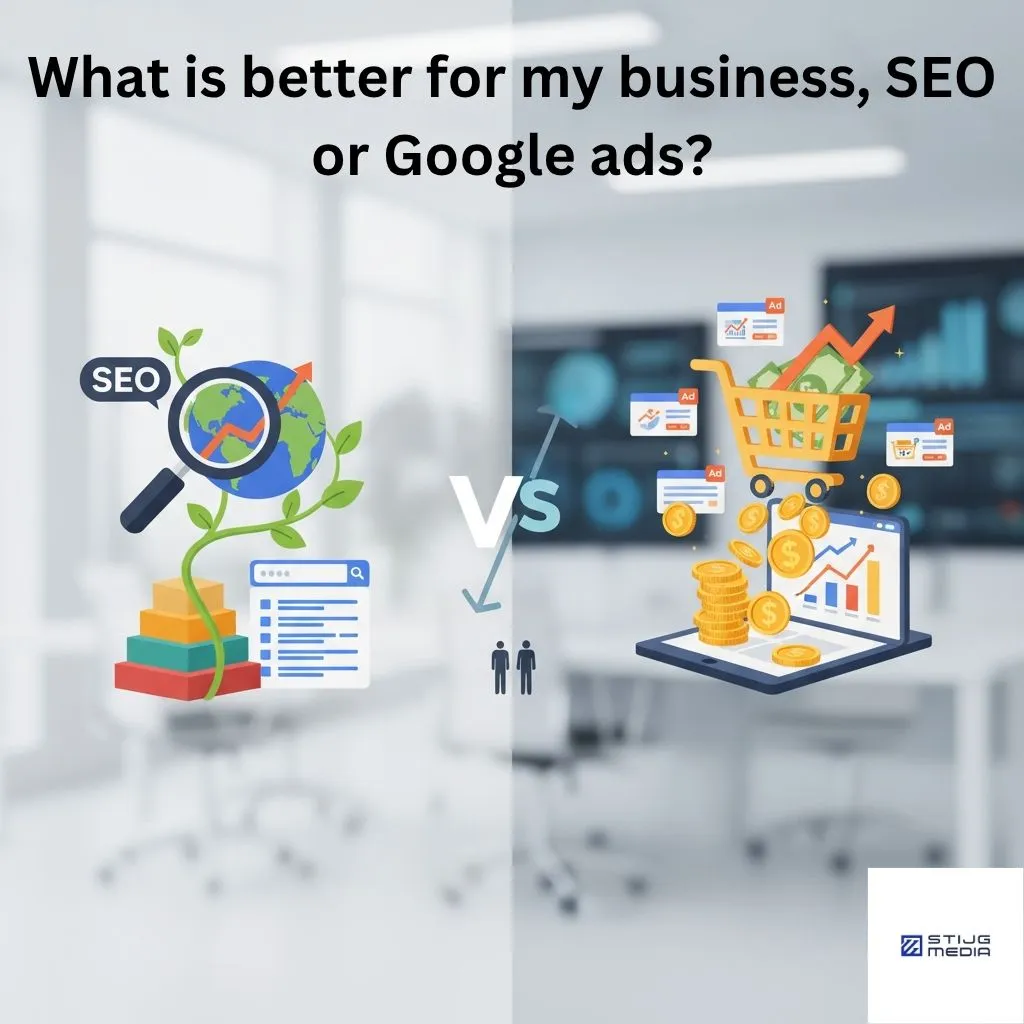
The Classic Playbook: A Necessary Foundation
To understand where we’re going, we must first be clear about where we’ve been. What is the difference between SEO and Google Ads in their traditional roles? Both are forms of search engine marketing, but they operate on fundamentally different principles of cost, time, and trust.
Google Ads (PPC): Renting a Spot at the Top
Pay-per-click (PPC) advertising, primarily through Google Ads, is the fastest way to get your website in front of potential customers. You bid on a specific keyword, create an ad, and when a user clicks that ad, you pay a fee (the cost per click). It offers immediate results with pay-per-click, making it ideal for getting traffic to a new site quickly or for short-term promotional campaigns.
The advantages of using Google Ads for immediate traffic are clear. It provides speed and control. You can turn a campaign on or off at a moment’s notice, A/B test landing pages, and target users with incredible precision. This is why PPC is often favored for competitive keywords where organic ranking is a brutal, long-term battle. Digital ads are incredibly effective for brand awareness campaigns, with some studies showing they can boost awareness by a staggering 80 percent according to The Social Shepherd agency. However, this is a rented space. The moment you stop paying, your traffic disappears. This is the core challenge when evaluating the sustainability of SEO vs paid ads.
Search Engine Optimization (SEO): Earning Your Authority
SEO is the practice of optimizing your website and its content to rank higher in the organic (non-paid) search results. This is not about a single “ad” but about building a long-term asset. It involves technical site health, content creation, and earning backlinks to demonstrate your authority and trustworthiness to search engines. The credibility of organic search results is often higher in the eyes of users, who may be skeptical of paid placements.
The advantages of SEO over PPC for long term growth are significant. A high organic ranking is a durable asset that can generate consistent, “free” traffic for months or even years. This is why many argue SEO is a better investment than ads for long-term visibility. The primary drawback? Time. How long does SEO take to show results compared to ads? Months, not hours. It’s a marathon, not a sprint.
| Factor | Google Ads (PPC) | Traditional SEO |
|---|---|---|
| Speed of Results | Immediate. Traffic can start within hours of campaign launch. | Slow. Can take 3-12 months to see significant results. |
| Cost Structure | Pay-per-click. Direct cost for every visitor. Budget is a tap you turn on/off. | Investment in time, content, and expertise. No direct cost per click. |
| Sustainability | Low. Traffic stops the moment you stop paying. This is the risk of stopping Google Ads effect on traffic. | High. A strong ranking is a long-term asset that continues to deliver traffic. |
| Targeting | Highly specific. Target by keywords, demographics, location, time of day, etc. | Broad. You optimize for keywords, but you can’t control who sees your listing as precisely. |
| ROI Measurement | Direct and clear. You can track conversions and cost per acquisition precisely. | More complex. Measuring success in SEO vs PPC campaigns involves tracking rankings, organic traffic, and attributing leads over time. |
The AI Disruption: From Search Engine Optimization to Search Experience Optimization (SXO)
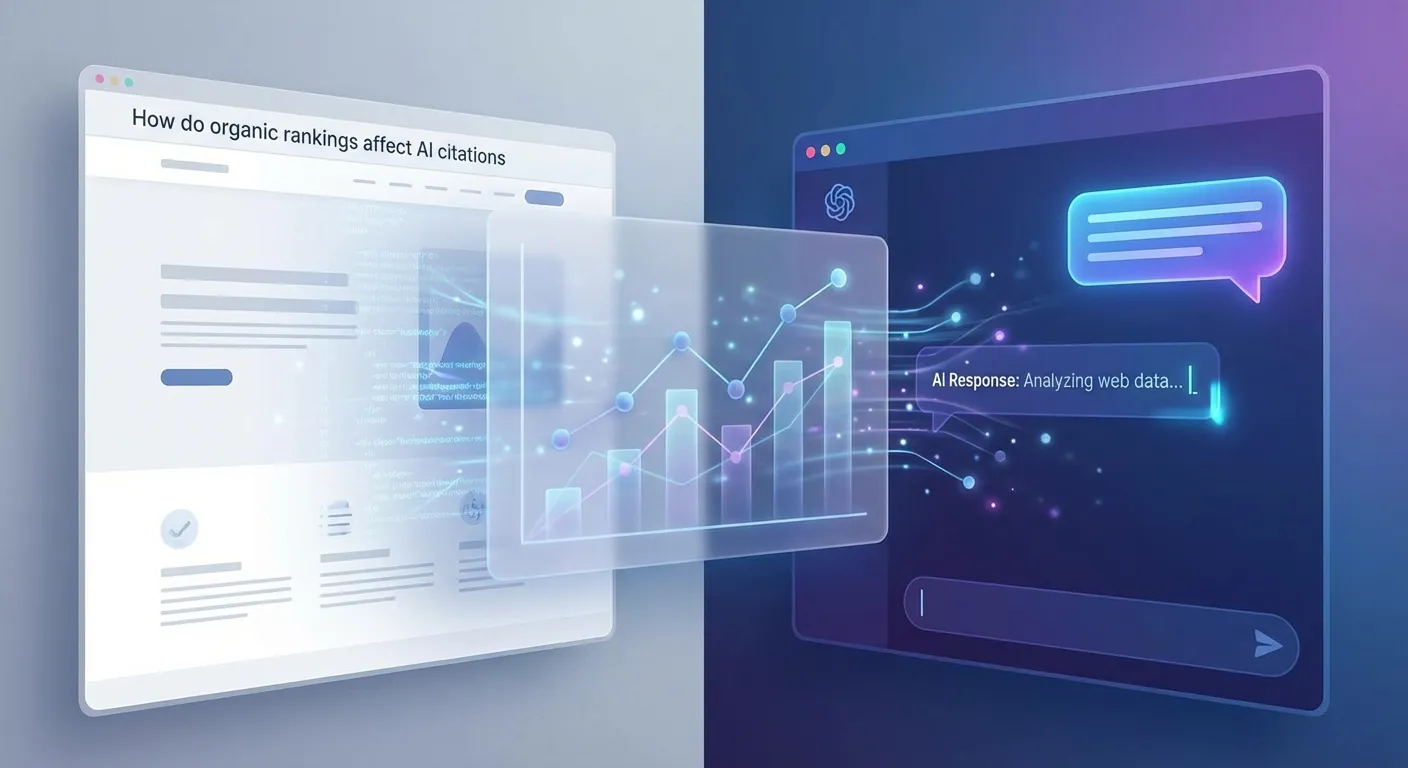
The table above represents the state of play for the last 20 years. But it’s missing the most disruptive force in search history: AI-driven answers. Google’s Search Generative Experience (SGE) and other AI-powered tools are changing the very nature of the search results page. Users are no longer just getting a list of ten blue links; they are getting direct, synthesized answers to their questions, with links to the sources cited. This is a monumental shift. Remember, on the dominant search engine, Google, more than half of clicks go to the first three results on the first page according to Britannica. Now, imagine a world where the “#1” spot is an AI-generated paragraph that pulls information from multiple sources.
Your new goal is not just to rank; it’s to be the definitive source that the AI cites. This is the evolution from SEO to Search Experience Optimization (SXO). SXO focuses on becoming the most authoritative, comprehensive, and trustworthy resource on a topic, so that Google’s AI has no choice but to use your content to build its answer. This is where building true E-E-A-T (Experience, Expertise, Authoritativeness, Trustworthiness) becomes a non-negotiable competitive moat that paid ads alone can never build.
The Integrated Mandate: A New Framework for Search Dominance
So, which is better, Google Ads or SEO? Neither. The modern digital marketing strategy demands you use both in a tightly integrated loop. This isn’t just about running both campaigns simultaneously; it’s about making each one smarter and more effective. This is how SEO and PPC work together to create a formidable advantage.
Step 1: Use Google Ads as a Rapid Intelligence Tool
Stop thinking of your PPC budget as just a cost for clicks. Start thinking of it as an investment in market research. While a long-term SEO strategy is in development, you can use a modest Google Ads budget to gather critical data in days, not months.
- Discover True User Language: You can use PPC to test keywords for SEO. See which search terms actual customers use, which ones convert, and which ones drive unqualified traffic. This intelligence is gold for your long-term content strategy.
- Refine Your Messaging: A/B test different ad copy and headlines. The messaging that gets the highest click-through rate in your ads is likely the messaging that will perform best as the title tag and meta description for your organic page.
- Identify High-Converting Offers: Test different landing pages and calls-to-action with paid traffic to see what resonates before investing thousands in building out a massive organic content asset.
To the common question, “Is $10 a day enough for Google Ads?” For generating a high volume of leads, probably not. But for gathering this kind of invaluable market intelligence in a niche market? Absolutely. It’s one of the most cost-effective research tools at your disposal.
Step 2: Build Your Organic “Authority Fortress” with E-E-A-T
Armed with the data from your paid campaigns, you can now execute your SEO for evergreen content strategy with precision. You know the exact questions your users are asking and the language they use. Now, you build the definitive answers. This isn’t about thin, keyword-stuffed blog posts. It’s about creating comprehensive, expert-led content—case studies, original research, in-depth guides, and detailed tutorials—that establish you as the go-to authority.
This is where your investment in E-E-A-T pays dividends. In a world flooded with generic, AI-generated content, demonstrating real, first-hand experience and expertise is how you stand out to both users and search algorithms. This is the essence of building brand authority with SEO vs PPC. As one of our clients noted, this long-term focus delivers compounding returns: “We went from page 8 to page 1 in six months and have stayed there ever since. Adriaan and his team have done amazing work providing steady guidance to help drive business growth.” This is the power of an owned media asset; it endures.
The combination is potent. The immediate feedback from ads sharpens the long-term organic strategy. In turn, a strong organic presence built on E-E-A-T improves your Quality Score in Google Ads, which can lower your cost per click. This Google Ads and SEO synergy creates a virtuous cycle where each channel reinforces the other, driving down your blended customer acquisition cost over time.
Making the Right Choice for Your Needs
The “do I need both SEO and Google Ads” question is best answered by looking at your specific business model and goals. The integrated approach is universally powerful, but the allocation of your marketing budget between the two will shift based on your situation.
For Local Service Business Owners
Your focus is on consistent, predictable lead generation. You need the phone to ring today. Start with a geographically-targeted Google Ads campaign to generate immediate leads and cash flow. As one client happily reported, “I’ve seen an uptick in website traffic and calls since.” Simultaneously, invest in Local SEO to build your presence in the Map Pack and organic results. Your long-term goal is to have a dominant local organic presence that reduces your reliance on ad spend, making your business more profitable and sustainable.
For Ecommerce Brand Managers
You’re likely struggling with rising ad costs and fierce competition. Use Google Shopping ads for your core, high-margin products to drive immediate sales. At the same time, implement a robust SEO for ecommerce stores strategy focused on category and product pages, alongside a content marketing plan that answers pre-purchase questions. This organic effort builds a loyal audience and captures top-of-funnel searchers, ultimately lowering your customer acquisition cost and creating a more resilient business that isn’t solely dependent on fluctuating ad auctions.
For Marketing Strategists at Larger Companies
Your goal is to build a defensible market position and future-proof against technological shifts. You must fully embrace the integrated search engine marketing strategy. Allocate resources to use PPC for competitive keywords, new market testing, and protecting brand search terms. Your primary focus, however, should be on a massive investment in building topical authority through an SEO for evergreen content strategy. Your aim is to become the definitive source that AI answer engines rely on, creating a powerful competitive moat that will pay dividends for the next decade.
The question is no longer “should I learn SEO or Google Ads first?” but “how quickly can my organization master the integration of both?” The answer will determine your visibility and viability in the new era of search. Answering “Is SEO worth it for small businesses?” is an emphatic yes, as it builds a long-term, cost-effective asset that reduces dependency on ads over time.
Ultimately, choosing between SEO and SEM is a false dilemma. The future belongs to businesses that master the synergy between renting immediate attention with paid media and owning enduring authority with organic search. This balanced digital marketing strategy is the key to balancing short-term and long-term marketing goals, ensuring both immediate results and sustainable growth.
Navigating the complexities of this new, integrated search landscape requires a forward-thinking partner with proven expertise. For over a decade, Stijg Media, based in Norwood, MA, has been guiding businesses through the ever-changing digital frontier. We don’t just execute campaigns; we build resilient, future-proof marketing strategies that drive real business growth. To get a personalized assessment of how this integrated approach can work for your business, contact our team for a strategic consultation today.