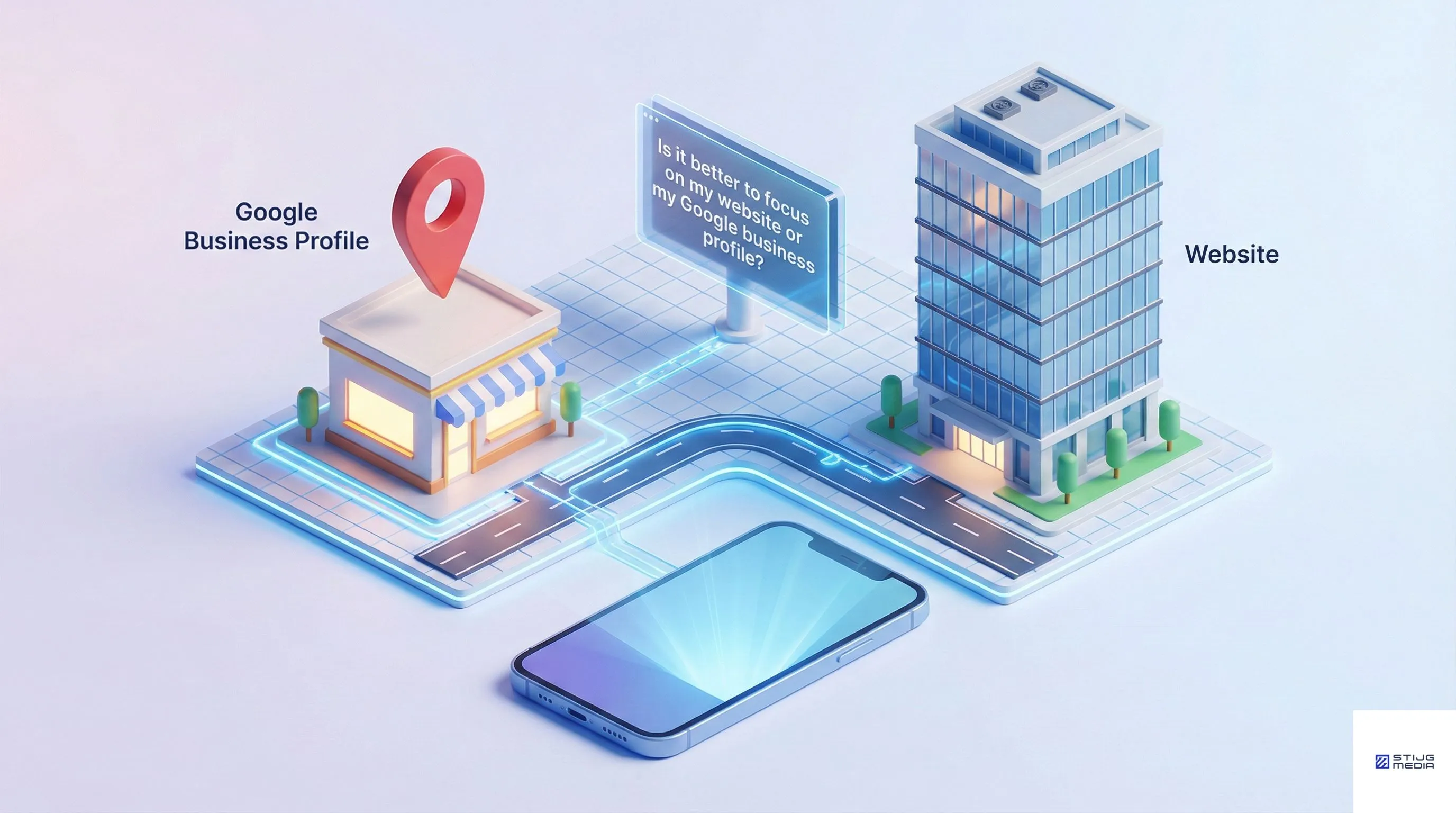
The debate over whether to focus on your website or your Google Business Profile (GBP) is obsolete. The winning strategy for local search in the AI era is to build a symbiotic digital ecosystem where your GBP acts as the real-time “digital storefront” and your website serves as the authoritative “brand headquarters,” creating a powerful feedback loop that dominates user queries and builds lasting brand value.
For years, business owners have asked, “Which is more important, GMB or website?” It’s a valid question stemming from limited budgets and time. The common advice was to start with a Google Business Profile, especially for a new business, and build a website later. But in 2025, that thinking is dangerously outdated. AI-powered search engines like Google’s Search Generative Experience (SGE) and other assistants don’t just look at one platform; they synthesize information from multiple trusted sources to provide a single, definitive answer. If your digital signals are inconsistent or incomplete, you become invisible. The real question is no longer “which one,” but “how do I make them work together to win?”
Redefining the Roles: Your Digital Storefront vs. Your Brand Headquarters
The first step is to stop viewing your website and GBP as competitors for your attention. They have distinct, complementary purposes in the modern customer journey for local search. Understanding these roles is the foundation of an effective marketing strategy.
The Google Business Profile: Your 24/7 Digital Storefront
Think of your GBP as the front window of your business on the world’s busiest street: Google Search and Maps. It’s designed for immediate discovery and action. When a potential customer searches for “aba therapy near me” or “best local accountant,” they are demonstrating high intent. They need information, and they need it now.
Your business profile is built to satisfy this immediacy. It provides critical, at-a-glance information: hours of operation, phone number, address, and most importantly, customer reviews. This is where trust is born. For many searches with local intent, the map display visually dominates the top of the search results, making a well-optimized GBP non-negotiable for visibility. As one client in the service industry noted, “I’ve seen an uptick in website traffic and calls since” we optimized their profile to function as a powerful first impression.
This is also the epicenter of the zero-click search phenomenon, where a user gets their answer directly from the search results page without ever needing to click through to a website. They might call you, get directions, or ask a question directly on your profile. The ROI from Google Business Profile can be immense and immediate. So, is it worth having a Google Business Profile? Absolutely. It is arguably the most powerful tool for immediate local lead generation.
However, what are the disadvantages of Google business? The primary drawback is a lack of ownership and control. You are operating on rented land. Google controls the layout, the features, and the policy. It’s a fantastic tool for discovery, but it is not a brand asset you own.
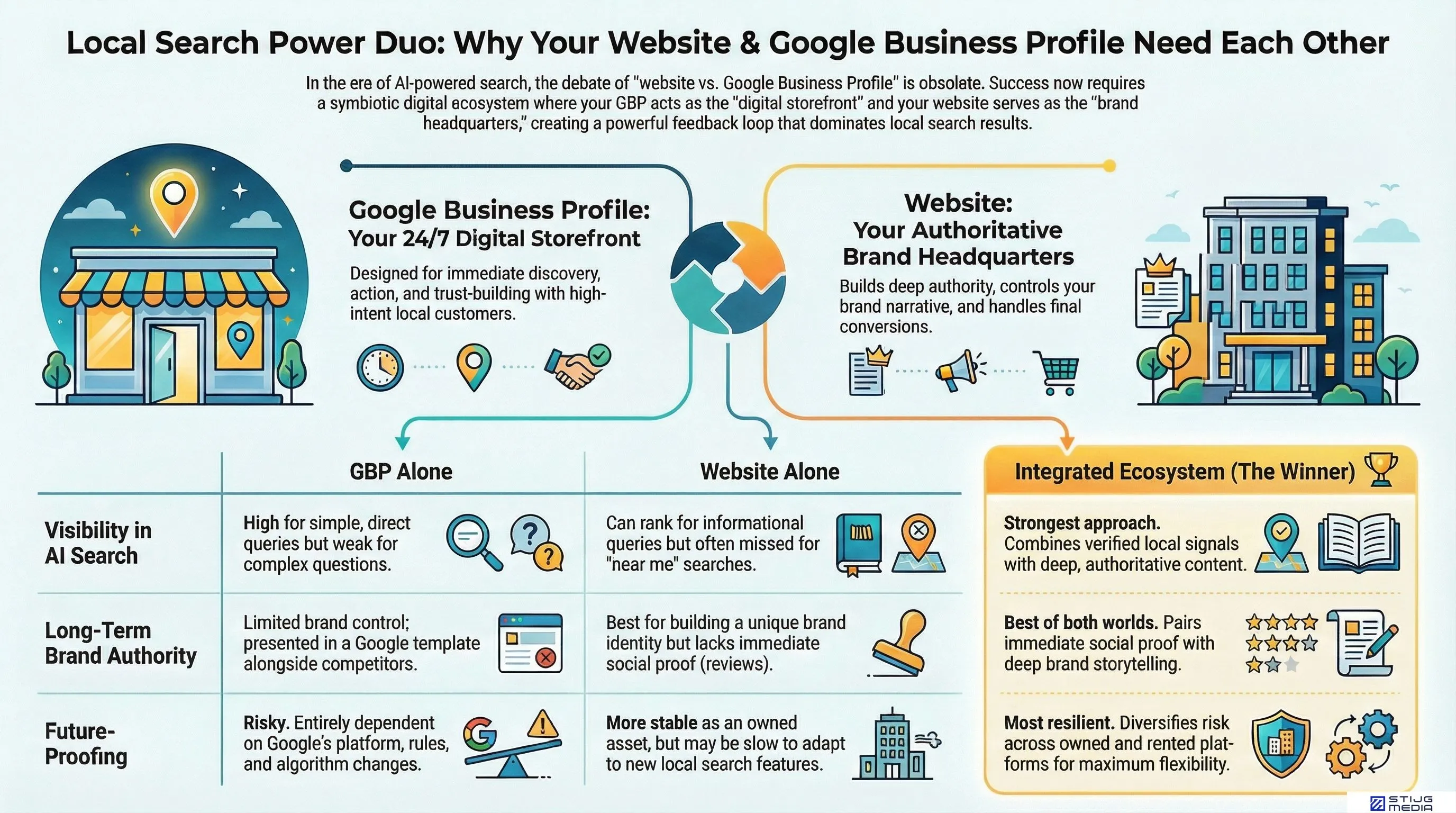
The Website: Your Authoritative Brand Headquarters
If your GBP is the storefront, your website is the corporate headquarters. It’s the one piece of digital real estate you completely own and control. What is the purpose of a business website in the age of powerful profiles? It’s to build deep authority, control your brand narrative, and handle the final stages of conversion.
While a GBP can tell customers what you do, your website tells them why they should choose you. This is where you establish your E-E-A-T (Experience, Expertise, Authoritativeness, Trustworthiness). You can host in-depth service pages (far more detailed than GMB services vs website service pages), publish case studies, write authoritative blog posts that answer complex customer questions, and introduce your team. For specialized fields like ABA therapy marketing, the website is crucial for explaining nuanced services and building trust with parents and caregivers. These deep content assets are powerful local SEO signals and website authority builders.
A website is also your primary conversion tool for considered purchases. It allows you to guide the user journey, from a detailed landing page to a contact form or online scheduler. And with more than half of local searches being mobile searches, a professional, mobile-friendly website is essential for capturing and converting that traffic effectively.
Feeding the AI: Why an Integrated System Dominates Modern Search
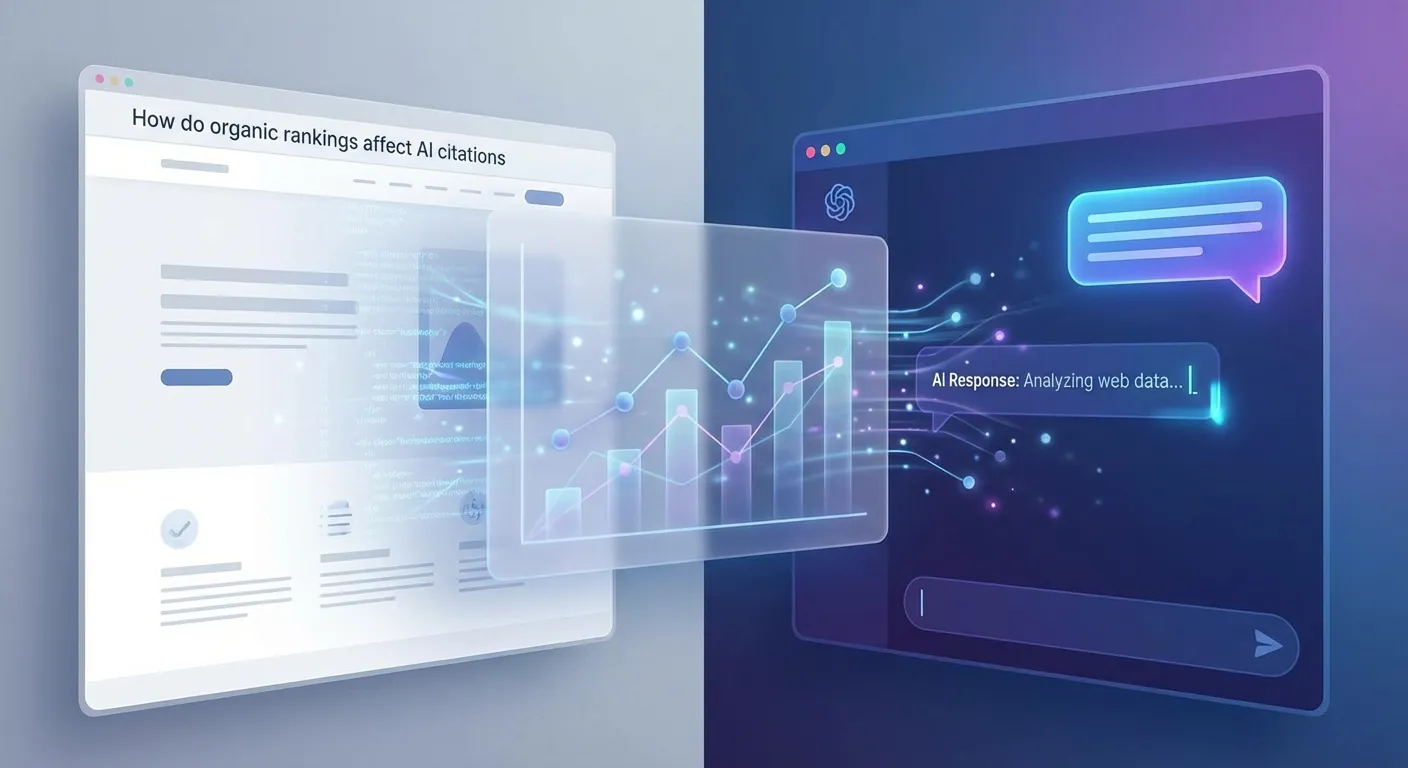
The future of local search websites and profiles lies in their synergy. AI-powered search engines are voracious data consumers. To rank you as a definitive local answer, they need to see consistent, cross-verified information about your business across the web. Your website and GBP are the two most important sources for this verification.
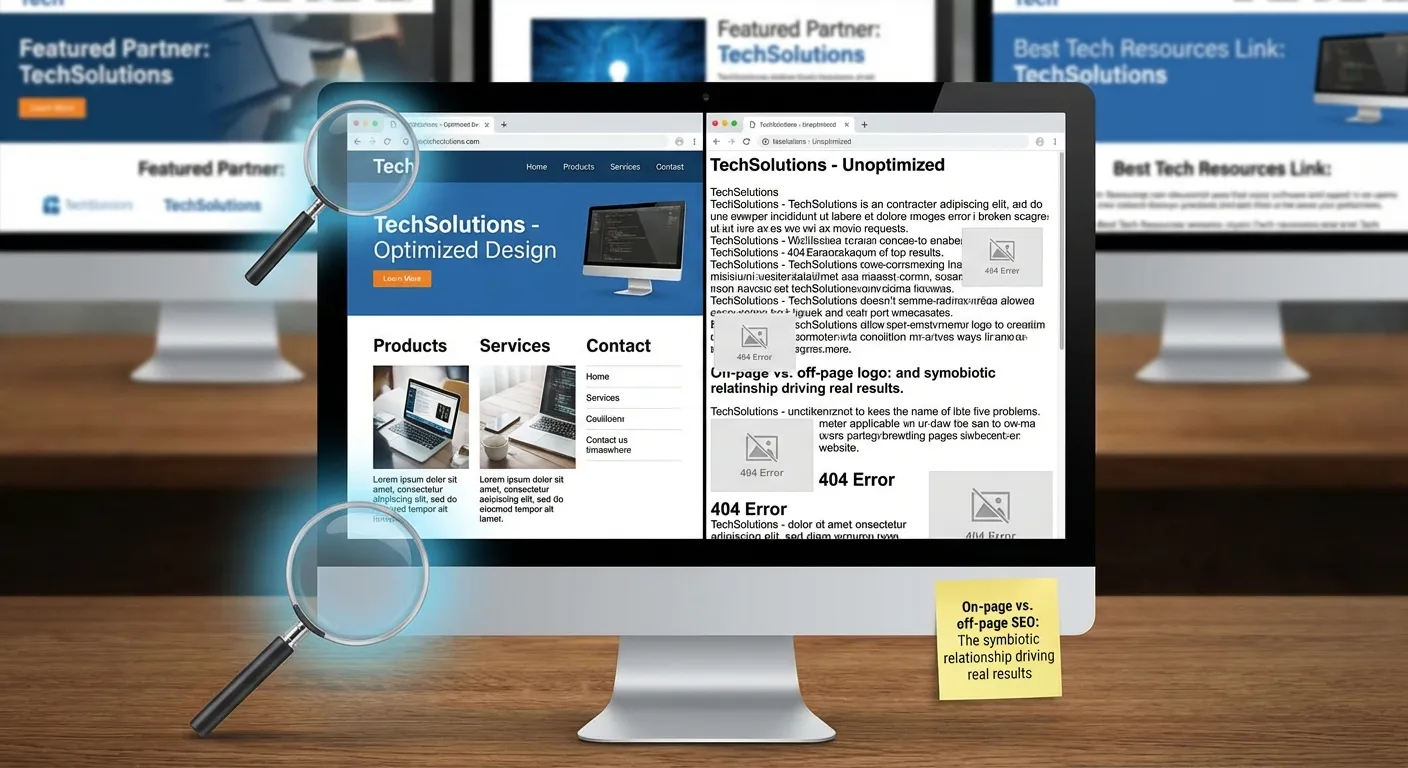
Think of it this way: your GBP makes a claim (“We are an ABA therapy center at 123 Main St.”). Your website, with its matching address, detailed service pages, and authoritative content, proves that claim. This connection, established by a simple website link in GBP, is incredibly important. How does a website affect google business profile ranking? It provides a deep well of authoritative content that Google’s algorithms can crawl to understand your expertise and validate the information on your profile. Consistent NAP (Name, Address, Phone Number) across your website and GBP is the bare minimum; true dominance comes from a consistent brand message, service offerings, and expertise signals.
Furthermore, building a strong backlink profile is more critical than ever. With AI solutions like ChatGPT growing, the frequency and quality of external links to your website are more important than ever. You can’t build high-quality links to a Google Business Profile, but you can to your website’s content. These links are a powerful trust signal that indirectly boosts your GBP’s authority.
The Content Feedback Loop in Action: A Practical Strategy
The theoretical synergy between your website and GBP becomes a practical, lead-generating machine when you create a content feedback loop. This is how you use GBP and website together for SEO results that neither could achieve alone.
From GBP Engagement to Website Conversion
Your GBP is a real-time pulse of what your customers want. Use its features to strategically drive traffic to your brand headquarters. Are people frequently asking the same question in your GBP Q&A? Write a comprehensive blog post on your website that answers it in detail, then link to it in your GBP Q&A response. Did you just launch a new service? Create a compelling Google Business Profile Post with a high-quality image and a clear call-to-action that links directly to the new, optimized service page on your site. This is how to get more clicks to my website from GBP: by providing value on the profile and offering a path to deeper information on your site.
From Website Insights to GBP Dominance
Your website analytics are a goldmine for your GBP content strategy. Is a particular blog post about “choosing a therapy provider” getting a lot of traffic? Repurpose that content into a series of helpful GBP Posts. Is a specific service page converting visitors at a high rate? Make sure that service is prominently featured in your GBP Services section. This proactive approach ensures your GMB updates and website strategy are perfectly aligned. This is the kind of integrated approach that yields powerful results. As one of our long-term clients stated, “We went from page 8 to page 1 in six months and have stayed there ever since. Adriaan and his team have done amazing work providing steady guidance to help drive business growth.”
Beyond Static Listings: The Critical Role of Real-Time Engagement
The days of “set it and forget it” for local listings are over. Modern search algorithms prioritize relevance and activity. Local rankings now depend on dynamic, multichannel strategies that blend content, reviews, social proof and hyperlocal targeting. This means actively managing your online presence is not optional.
Regularly responding to reviews (both positive and negative), uploading new photos and videos, and consistently publishing GBP Posts signals to Google that your business is active, engaged, and relevant to the community. This isn’t just for the algorithm; it’s for your customers. People want to see a business that is alive and cares about its reputation. In fact, Google’s algorithms are getting smarter about this; Google now cross-checks Google Business Profile (GBP) updates with local events, so getting involved can help boost your rankings. This proves that real-world activity directly impacts your digital visibility.
Answering Your Core Questions
Let’s directly address some of the most common questions we hear from business owners navigating this landscape.
Does having a Google Business Profile help with SEO?
Yes, unequivocally. It is the single most important factor for ranking in Google’s local pack and on Google Maps. It also contributes E-E-A-T signals that can indirectly influence your website’s overall organic search performance by creating a verified, authoritative entity.
Can you have Google My Business without a website?
Technically, yes, you can create and run a GBP without a website link. However, doing so is a significant strategic mistake. You miss out on the authority, conversion potential, and brand-building power of a website. A website acts as a ranking factor for GBP, so not having one puts you at a competitive disadvantage. It answers the question, “what if I don’t have a website for my business?” with a clear warning: you’ll struggle to compete long-term.
Comparing the Key Decision Factors
Let’s break down how each approach—relying on one platform versus an integrated strategy—stacks up against the key factors that matter for your business’s future.
Visibility in AI-driven search environments
GBP Alone: High visibility for simple, direct queries in the local pack but struggles with complex or research-based questions that AI pulls from deep content.
Website Alone: Can rank for informational queries but may be overlooked by AI for immediate, “near me” type local searches without a strong, corresponding GBP signal.
Integrated Ecosystem: The strongest approach. The GBP provides the verified location and trust signals, while the website provides the deep, authoritative content AI needs to synthesize a comprehensive and trustworthy answer, positioning you as the definitive local expert.
Building long-term brand authority and trust
GBP Alone: Builds trust through reviews but offers limited brand control. Your brand is presented within Google’s template, alongside all your competitors.
Website Alone: The best platform for building a unique brand identity, owning your narrative, and establishing deep expertise. However, without a strong GBP, it may lack the immediate social proof (reviews) that modern customers expect.
Integrated Ecosystem: Achieves the best of both worlds. It pairs the immediate social proof and visibility of GBP with the deep brand storytelling and authority-building power of a dedicated website, creating a brand that is both trusted and respected.
Generating immediate, local customer engagement
GBP Alone: Excellent. Features like click-to-call, messaging, and directions are designed for immediate action and lead generation.
Website Alone: Less effective for immediate engagement. A user must first find the site, navigate to a contact page, and then take action. It adds steps to the process.
Integrated Ecosystem: Optimal. It captures high-intent users on GBP for immediate action while also funneling users who need more information to a high-converting website, ensuring no lead is left behind.
Future-proofing a marketing strategy
GBP Alone: Risky. You are entirely dependent on Google’s platform. Any algorithm or policy change could decimate your visibility overnight.
Website Alone: More stable, as you own the asset. However, it may be slow to adapt to new local search features that Google rolls out primarily through GBP.
Integrated Ecosystem: The most resilient strategy. By building strong assets on both a rented platform (GBP) and an owned platform (website), you diversify your risk and create a flexible foundation that can adapt to whatever algorithm changes come next.
Making the Right Choice for Your Needs
The best local marketing strategy is not one-size-fits-all. While the integrated ecosystem is the ideal, your immediate focus depends on your business model and current challenges.
For the local service business owner focused on generating consistent leads and filling their schedule:
Your priority is immediate action. Begin by relentlessly optimizing your Google Business Profile. Fill out every section, encourage reviews, and use GBP Posts weekly. Simultaneously, build a clean, professional website that serves as your digital brochure. It doesn’t need to be 50 pages; it needs a clear homepage, detailed service pages for what you do (e.g., local landing page optimization for specific therapy services), an ‘About Us’ page to build trust, and an easy-to-find contact page. The website’s primary job is to validate the promises your GBP makes.
For the national ecommerce brand concerned with stalling traffic and rising customer acquisition costs:
Your website is your core asset. However, you may be missing out on valuable hyperlocal traffic. If you have physical locations, each one needs a fully optimized GBP that links back to a unique local landing page on your main site. For brands without physical stores, a well-defined service area in your GBP can still capture “near me” searches from customers looking for products or services you offer, directing them to the most relevant category page on your e-commerce site.
For the marketing manager tasked with adapting their company’s strategy to the ‘AI revolution’ and demonstrating ROI:
You must champion the integrated ecosystem. Your job is to break down the silos between “local SEO” and “content marketing.” Develop a content strategy where website articles, case studies, and service pages are created with the express purpose of also being used to fuel GBP Posts and Q&A. Implement robust tracking to show how many calls and form fills originate from GBP versus website organic traffic. This allows you to demonstrate the full return on investment and prove that this symbiotic approach is not just a theory, but a measurable growth driver.
Ultimately, the synergy between your website and your Google Business Profile is no longer just a best practice; it is the essential framework for durable local search success. Building this powerful digital ecosystem ensures you are not only visible today but are also building a resilient, authoritative brand that can thrive in the future of search.
Here at Stijg Media, located in Norwood, MA, we specialize in creating these integrated strategies that drive measurable results for businesses across the country. If you’re ready to stop choosing between platforms and start building a digital ecosystem that dominates your local market, contact our team for a personalized assessment of your online presence today.